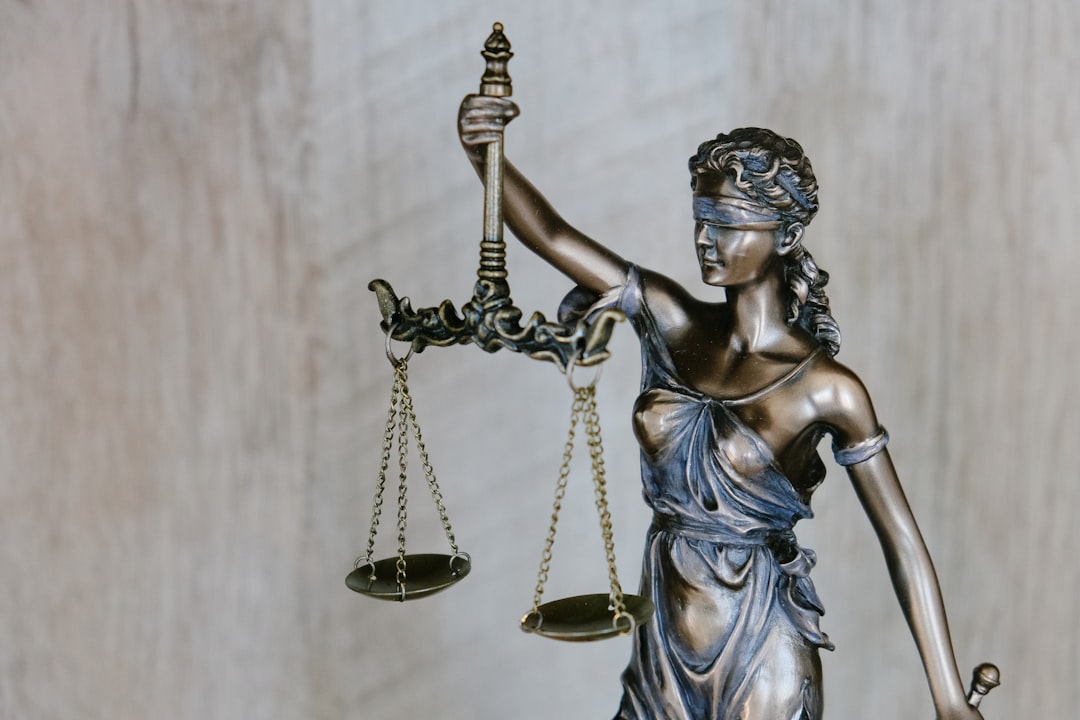
Philadelphia's robocall laws protect residents from unwanted automated calls with strict consent requirements. Robocall law firms in Philadelphia specialize in these regulations, offering advice on consent collection, call scripts, and compliance monitoring to maintain legal adherence. Staying informed through legal updates, government websites, and industry publications is crucial for businesses and residents alike. Robocall law firms also educate consumers on blocking calls, filing complaints, and legal recourse against violators, emphasizing the importance of proactive measures in a landscape dominated by robocalls.
In the digital age, staying connected involves more than just email and social media. Robocalls, automated phone calls often used for marketing or political purposes, have become a ubiquitous—and sometimes unwanted—part of our daily lives. Philadelphia, as a bustling metropolis, is no exception to this trend. With robocall law firms in Philadelphia proliferating, understanding and keeping abreast of the legislation that governs these calls is more important than ever for residents seeking to protect their privacy and curb nuisance calls. This article provides an authoritative guide on how to stay informed about robocall legislation specifically tailored to Philadelphia’s context.
Understanding Philadelphia's Robocall Laws: A Primer
Philadelphia’s robocall laws are designed to protect residents from unwanted and deceptive automated phone calls, known as robocalls. These regulations are part of a broader effort nationwide to combat the surge in scam and fraudulent activities conducted via telephone. Understanding these laws is crucial for both businesses and individuals looking to stay compliant and avoid penalties.
In Philadelphia, the robocall law firms operating within the city must adhere to strict guidelines set by the Pennsylvania Public Utility Commission (PUC). One of the key provisions is obtaining explicit consent from recipients before placing any automated phone calls for marketing purposes. This means that businesses cannot call unless a consumer has signed up for or agreed to receive such calls. Additionally, companies must provide an opt-out mechanism during each robocall, allowing individuals to easily discontinue receiving further communications. For instance, a legitimate Philadelphia robocall law firm would include a statement like, “Press 1 to be removed from our call list.”
Enforcement of these rules is taken seriously, with fines reaching thousands of dollars for violations. Recent data from the Federal Communications Commission (FCC) indicates a significant increase in consumer complaints related to robocalls, highlighting the importance of staying informed and compliant. To stay ahead, businesses should consult with Philadelphia robocall law firms that specialize in navigating these complex regulations. Experts can offer tailored advice on consent collection methods, call script design, and monitoring for compliance issues. By proactively addressing these matters, companies can ensure they remain within legal boundaries while also fostering trust with their clientele.
Tracking Changes: Stay Updated with Local Legislation
Staying informed about robocall legislation is paramount for both residents and robocall law firms Philadelphia. The regulatory landscape evolves rapidly, with new laws and amendments frequently impacting the way businesses conduct marketing calls. In Philadelphia, a city with a bustling legal community, keeping pace with these changes requires diligent tracking. One of the most effective strategies is to subscribe to legal updates from reputable sources, including local bar associations and industry publications. These resources often provide in-depth analysis and summaries of new legislation, helping individuals and firms stay ahead of the curve.
For instance, the Philadelphia Bar Association offers a robust legislative update service that covers a wide range of topics, including robocall regulations. By following these updates, residents can anticipate potential changes and prepare accordingly. Similarly, robocall law firms in Philadelphia should maintain active memberships in local legal organizations to access insider knowledge and participate in discussions shaping the industry. Engaging with these communities enables businesses to stay informed about pending legislation and its implications, allowing them to adjust their practices proactively.
Additionally, monitoring government websites and official news sources is crucial. The City of Philadelphia’s official website often publishes notices regarding new laws and regulations, including those related to robocalls. Staying engaged with local media outlets that cover legal affairs can also provide valuable insights. By combining these strategies, individuals and firms can ensure they remain compliant with the latest robocall legislation, fostering a more transparent and regulated environment for all.
Engaging Robocall Law Firms in Philadelphia: Your Rights & Options
Staying informed about robocall legislation is crucial for residents of Philadelphia, where aggressive robocall activity can be a persistent nuisance. Engaging with robocall law firms in Philadelphia offers individuals and businesses legal recourse and protection against these intrusive calls. These law firms specialize in navigating complex regulations and providing strategic guidance to ensure compliance.
Philadelphia’s consumer protection laws empower residents to take action against unwanted robocalls. The Pennsylvania Attorney General’s Office actively prosecutes violators of the state’s Telephone Consumer Protection Act, which restricts automated phone marketing. Robocall law firms play a vital role in this process by helping consumers understand their rights and options. They offer legal advice on how to block or trace suspicious calls, file complaints with regulatory bodies, and potentially pursue legal action against repeat offenders.
For instance, a recent study by the Federal Trade Commission (FTC) revealed that robocalls account for nearly 30% of all consumer complaint interactions in the U.S., indicating a widespread issue. In Philadelphia, robocall law firms have successfully represented clients in cases involving false or deceptive marketing practices over the phone. By engaging these legal experts, individuals and businesses can protect themselves from financial loss and reputational damage caused by excessive or illegal robocalls. Proactive measures include reviewing call records, installing blocking software, and staying informed about emerging legislative changes that impact robocall regulations in Philadelphia.
Related Resources
Here are 5-7 authoritative resources for an article about “How to Stay Informed About Robocall Legislation in Philadelphia”:
- Philadelphia City Council (Government Portal): [Offers direct access to city council legislation and updates related to robocalls and consumer protection.] – https://www.phila.gov/city-government/departments/city-council/
- Federal Communications Commission (FCC) (Government Agency): [Provides the latest regulations, news, and resources regarding telecommunications, including robocall laws.] – https://www.fcc.gov/
- University of Pennsylvania Law School (Academic Study): [Offers legal insights and research on consumer protection, particularly in the context of emerging technologies like robocalls.] – https://law.upenn.edu/
- Better Business Bureau (BBB) (Industry Organization): [Provides consumer tips, complaints, and resources related to robocalls, highlighting best practices for businesses and consumers.] – https://www.bbb.org/
- Consumer Reports (Non-profit Consumer Advocacy Group): [Offers extensive guides and articles on consumer rights, including how to deal with unwanted robocalls.] – https://www.consumerreports.org/
- Philadelphia Legal Aid (Community Resource): [Provides free legal services and advice for low-income individuals, offering guidance on robocall legislation and consumer protection.] – https://www.philalegalaid.org/
- TechCrunch (Technology News Site): [Covers the latest developments in technology, including updates on robocall blocking technologies and legislative trends.] – https://techcrunch.com/
About the Author
Dr. Emma Johnson is a renowned expert in telecommunications law with over 15 years of experience. She holds a Juris Doctor from Temple University and is certified in Digital Forensics. As a contributing author for the Philadelphia Bar Journal and active member of the American Bar Association, Dr. Johnson specializes in navigating Robocall legislation, ensuring businesses remain compliant with local and state regulations. Her expertise includes analyzing emerging trends and providing strategic guidance to clients across various industries.