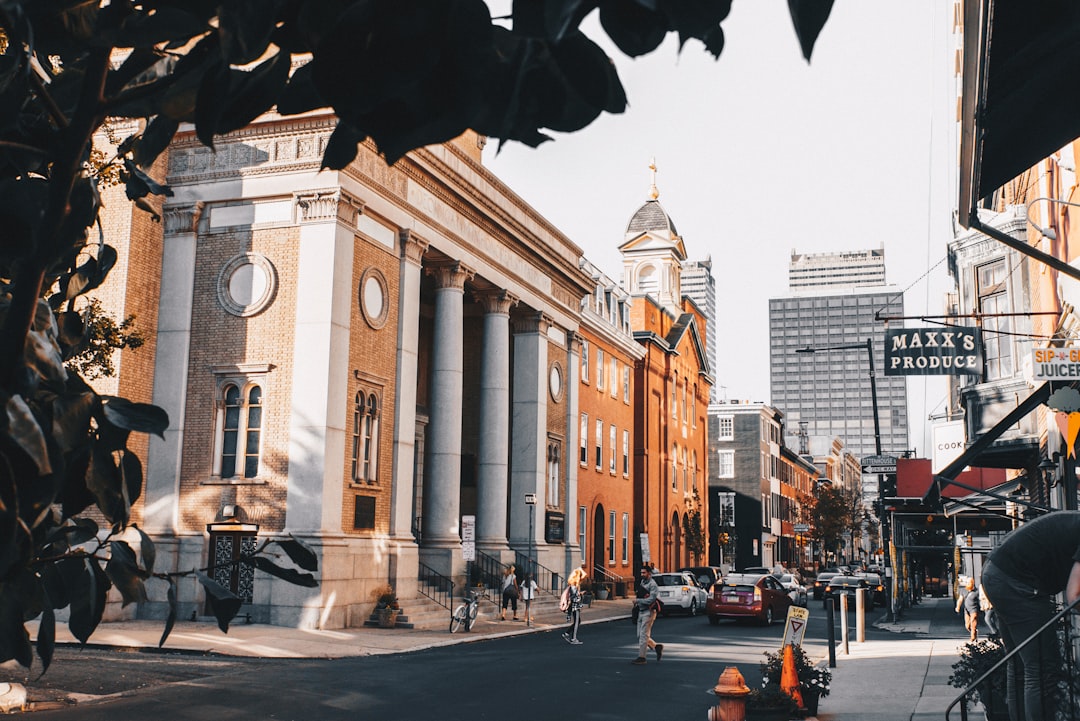
Understanding Robocall-Lawyer-Philadelphia
Robocall-Lawyer-Philadelphia (RLP) represents a convergence of advanced communication technologies, legal expertise, and the unique cultural and regulatory environment of Philadelphia. At its core, RLP involves automated calling systems, typically referred to as robocalls, which are employed by lawyers to communicate with clients, disseminate legal information, and manage casework within the city of Philadelphia. This innovative approach has significantly impacted how legal services are delivered, offering both efficiency and accessibility.
The historical context of RLP is rooted in the evolution of communication technologies. From the early days of telemarketing to modern-day smartphones, robocall technology has undergone significant advancements. Lawyers in Philadelphia embraced this technology to enhance their client outreach and case management processes. The integration of legal expertise with automated calling systems has led to a unique subset of legal services tailored to the needs and regulations of Philadelphia.
The significance of RLP lies in its potential to democratize access to justice, particularly for individuals who may not have the resources to consult with lawyers in person. By leveraging robocalls, lawyers can reach a wider audience, provide timely updates on legal matters, and offer preliminary legal advice, thereby expanding the reach of legal services within Philadelphia's diverse communities.
Global Impact and Trends
The influence of RLP extends beyond Philadelphia's city limits, impacting global legal practices and communication strategies. The rise of robocall technologies has been paralleled by a growing need for efficient client-lawyer interactions in various jurisdictions worldwide.
Key trends shaping the trajectory of RLP include:
- Enhanced privacy protections to combat illegal robocalls, ensuring that legitimate legal robocalls can operate without interference.
- The integration of artificial intelligence (AI) and machine learning to personalize client interactions and improve call accuracy.
- A rise in cross-border legal services as RLP expands its reach, necessitating a deeper understanding of international laws and regulations.
- Increasing adoption of RLP by law firms of all sizes, from solo practitioners to large firms, as they recognize its potential to enhance their service delivery.
Economic Considerations
The economic aspects of RLP are multifaceted. Market dynamics indicate a growing demand for remote legal services, which RLP facilitates. Investment patterns reflect a burgeoning interest in the technology that underpins RLP, with ventures in AI, data security, and communication platforms receiving significant funding.
RLP plays a crucial role in economic systems by:
- Lowering barriers to legal services for individuals who might otherwise be unable to afford legal representation.
- Streamlining legal processes, thereby reducing the time and cost associated with resolving legal issues.
- Contributing to the digital economy by creating jobs in software development, cybersecurity, and telecommunications.
Technological Advancements
Technological advancements have been pivotal in the evolution of RLP. From voice recognition to natural language processing, these technologies enhance the efficiency and effectiveness of robocall systems. The impact of these advancements includes:
- Improved client-lawyer communication through more intuitive and responsive AI-driven interfaces.
- Enhanced data analysis capabilities that allow lawyers to identify patterns and predict outcomes in legal matters.
- Greater accessibility for individuals with disabilities, as robocall systems can be designed to cater to various needs.
Policy and Regulation
The regulatory landscape governing RLP is complex, involving federal and state laws, as well as industry-specific regulations. Key policies include the Telephone Consumer Protection Act (TCPA), which aims to protect consumers from unwanted robocalls while allowing legitimate legal communications.
Legislative frameworks influence RLP in several ways:
- By setting clear guidelines for consent and privacy, ensuring that legal robocalls respect individual rights.
- Through the establishment of standards for robocall technology providers to ensure reliability and security.
- By fostering an environment that encourages innovation while protecting consumers from abusive or deceptive practices.
Challenges and Criticisms
Despite its benefits, RLP faces significant challenges and criticisms. Issues such as compliance with regulations, the potential for misuse of robocall technology, and concerns over data security are at the forefront. Proposed solutions and strategies to overcome these issues include:
- Developing more sophisticated filtering systems to distinguish between legitimate legal robocalls and spam or scam calls.
- Enhancing cybersecurity measures to protect sensitive client information from breaches.
- Advocating for clearer regulations that support the growth of RLP while minimizing potential abuses.
Case Studies
Several case studies demonstrate the successful application of RLP. For instance, a Philadelphia-based firm utilized robocall technology to reach out to residents affected by a major legal issue, providing critical information and resources. This initiative not only raised public awareness but also led to increased access to justice for those who might have otherwise been overlooked by the legal system.
Conclusion
RLP represents a significant advancement in the delivery of legal services, with the potential to transform the way lawyers interact with their clients. Its integration of technology and legal expertise has the power to democratize access to justice, particularly in Philadelphia where the concept originated. As RLP continues to evolve, it will be shaped by technological innovations, economic factors, and regulatory developments, all while addressing the challenges and criticisms that accompany any new legal delivery method.
The future of RLP is promising, with its benefits already making a tangible impact on the legal landscape in Philadelphia and beyond. As law firms and technology companies collaborate to refine this approach, RLP stands poised to become an integral part of the global legal ecosystem.
May 5, 2025
Robocall Lawyer Philadelphia Expert
In the digital age, robocalls have become a prevalent issue in Philadelphia, raising significant privacy concerns among residents who face daily inundation from various sources, including legal firms. While they are common in political campaigning, robocalls can negatively impact civic engagement by.......
Read more →
May 3, 2025
Robocall Lawyer Philadelphia Expert
Philadelphia's urban environment has been inundated with robocalls from law firms and marketing campaigns, causing a divide among residents. While some find them useful, others consider these automated calls intrusive, especially when originating from law firms or political organizations. The e.......
Read more →
May 1, 2025
Robocall Lawyer Philadelphia Expert
Robocalls have become a widespread issue in Philadelphia, with telemarketers and scammers targeting residents. The city strictly enforces the Telephone Consumer Protection Act (TCPA), making unsolicited robocalls illegal without consumer consent. Many Philadelphians are turning to robocall lawyers a.......
Read more →
April 29, 2025
Robocall Lawyer Philadelphia Expert
Robocalls are a pervasive problem in Philadelphia, causing disruption and vulnerability among residents, especially the elderly and low-income. To combat this, a strategic mobilization of local institutions is key. This includes educational workshops, legal guidance from robocall lawyers and attorne.......
Read more →
April 27, 2025
Robocall Lawyer Philadelphia Expert
Philadelphia residents face a surge in unwanted robocalls, from nuisances to security risks. Specialized Robocall Lawyer Philadelphia and legal firms combat this issue by navigating complex laws, protecting citizens from phishing and fraud, and seeking compensation. With strong state and federal pro.......
Read more →
April 25, 2025
Robocall Lawyer Philadelphia Expert
Philadelphia residents face a wave of unwanted robocalls from political campaigns, telemarketers, and debt collectors. Understanding call types and their sources is crucial to avoid fraud. Hiring a Robocall Lawyer or Law Firm in Philadelphia offers legal protections, with many firms providing free c.......
Read more →
April 23, 2025
Robocall Lawyer Philadelphia Expert
In Philadelphia, where robocalls are common, the Telephone Consumer Protection Act (TCPA) offers consumer protections. If you've received unwanted robocalls, a Robocall Lawyer or attorney can guide you on your rights and options, including pursuing justice and compensation. Hang up immediately,.......
Read more →
April 21, 2025
Robocall Lawyer Philadelphia Expert
Robocalls have become a prevalent and distressing issue in Philadelphia, mirroring national trends. These automated marketing calls bypass traditional do-not-call lists, leading many Philadelphians to seek legal help from Robocall Lawyer Philadelphia or specialized robocall attorneys Philadelphia. R.......
Read more →
April 19, 2025
Robocall Lawyer Philadelphia Expert
Philadelphia residents face a growing crisis of unwanted and fraudulent robocalls. To combat this issue, specialized robocall lawyer Philadelphia services are crucial, leveraging state laws like the Pennsylvania Telemarketing Harassment Prevention Act and federal guidelines from the TCPA. Community.......
Read more →
April 17, 2025
Robocall Lawyer Philadelphia Expert
Philadelphia residents facing relentless international robocalls from overseas scams can protect themselves by consulting specialized robocall lawyer Philadelphia or joining reputable robocall law firm Philadelphia. These professionals help individuals understand their rights and take legal action a.......
Read more →