Robocall law firms Philadelphia are crucial in combating a global nuisance. They use legal expertise to track spam sources, develop blocking strategies, advocate for stricter TCPA enforcement, and educate residents. By collaborating with regulators, tech providers, and community groups, these firms protect consumers from billions of daily robocalls, foster safer digital environments, and mitigate the impact on citizens' peace of mind.
In today’s digital age, the rise of robocalls has become a pervasive issue, particularly within urban centers like Philadelphia. These automated calls from robocall law firms Philadelphia residents encounter daily can be intrusive and often mislead recipients into providing sensitive information. The volume and sophistication of these calls have prompted the need for collaborative strategies to combat this growing problem. This article delves into the significance of partnership between telecom providers, government agencies, and consumer advocacy groups in addressing this challenge effectively. By harnessing collective expertise, we can develop robust solutions to mitigate the impact of robocalls and protect Philadelphia’s citizens from potential fraud.
Understanding Robocalls: A Philadelphia Perspective
In Philadelphia, as across the nation, robocalls have become an increasingly pervasive nuisance. These automated phone calls, often marketing or fraudulent in nature, can disrupt daily life and erode public trust. To effectively combat this issue, a collaborative approach is essential. Local robocall law firms Philadelphia play a pivotal role in this effort by leveraging their legal expertise to not only assist individuals but also to collaborate with regulators, technology providers, and community organizations.
Understanding the landscape of robocalls requires a deep dive into their sources and methods. According to recent data from the Federal Communications Commission (FCC), Philadelphia experiences a high volume of unwanted calls, particularly those originating from out-of-state areas codes known for spamming activities. Robocall law firms Philadelphia often work closely with local law enforcement and consumer protection agencies to track these calls, identify patterns, and develop strategies. By sharing intelligence and resources, these collaborative efforts enable more effective blocking and tracking mechanisms.
A practical insight into this fight is the implementation of advanced call-blocking technologies. Many robocall law firms Philadelphia have partnered with telecommunications companies to deploy sophisticated systems that can filter out unwanted calls at the network level. This collective initiative not only protects consumers but also serves as a deterrent for spammers. Additionally, these law firms advocate for stricter enforcement of existing robocall laws, such as those set forth by the Telephone Consumer Protection Act (TCPA). By joining forces with legal peers and regulatory bodies, they can lobby for enhanced penalties and better consumer protections, fostering an environment that discourages malicious call campaigns.
The Role of Law Firms in Combating Nuisance Calls
In the ongoing battle against nuisance robocalls, law firms in Philadelphia play a pivotal role in protecting consumers and fostering a more transparent communication environment. With an estimated 2 billion robocalls made daily globally, according to Google, this issue has reached epidemic proportions. Philadelphia residents, like many across the country, face a constant barrage of unsolicited calls, leading to a significant drop in trust for legitimate business interactions. Law firms have a unique opportunity and responsibility to combat this growing problem by leveraging their expertise and resources.
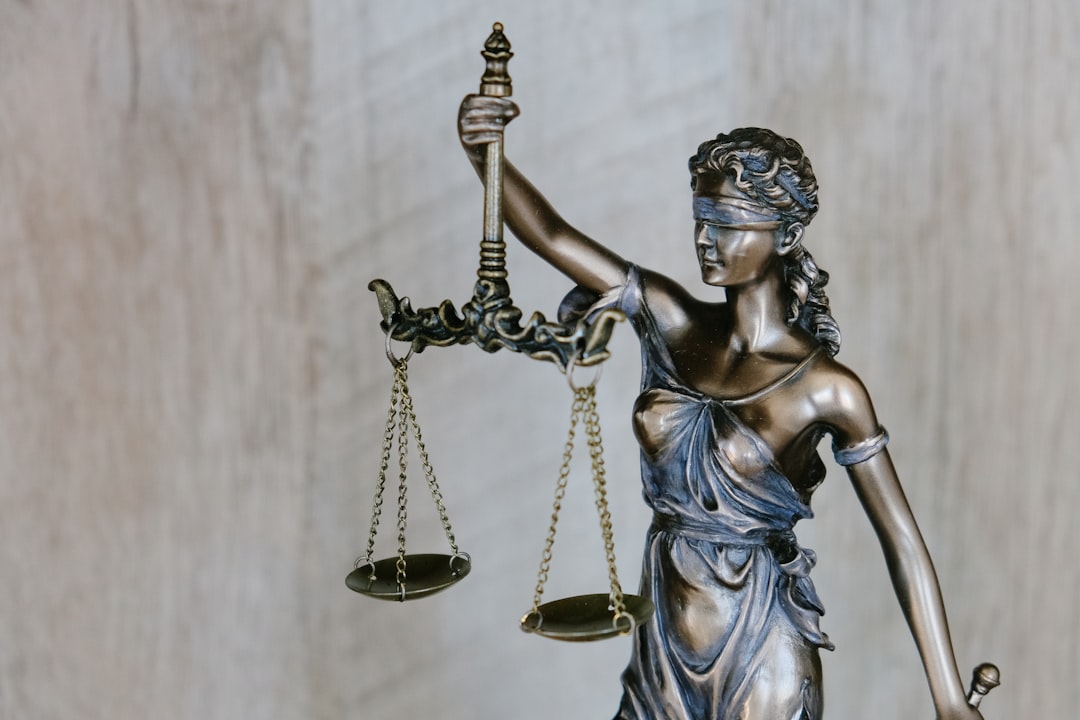
Philadelphia’s legal community is well-positioned to tackle robocalling due to its rich history in litigation and consumer protection. Robocall law firms in Philadelphia can lead the charge by employing strategic legal actions, such as filing class-action lawsuits against malicious call centers and telemarketers. These actions not only serve as a deterrent but also provide a precedent for holding offenders accountable. Moreover, law firms can collaborate with regulatory bodies to advocate for stricter legislation and more robust consumer protections. By combining legal prowess with collective action, Philadelphia’s robocall law firms can significantly reduce the volume of nuisance calls.
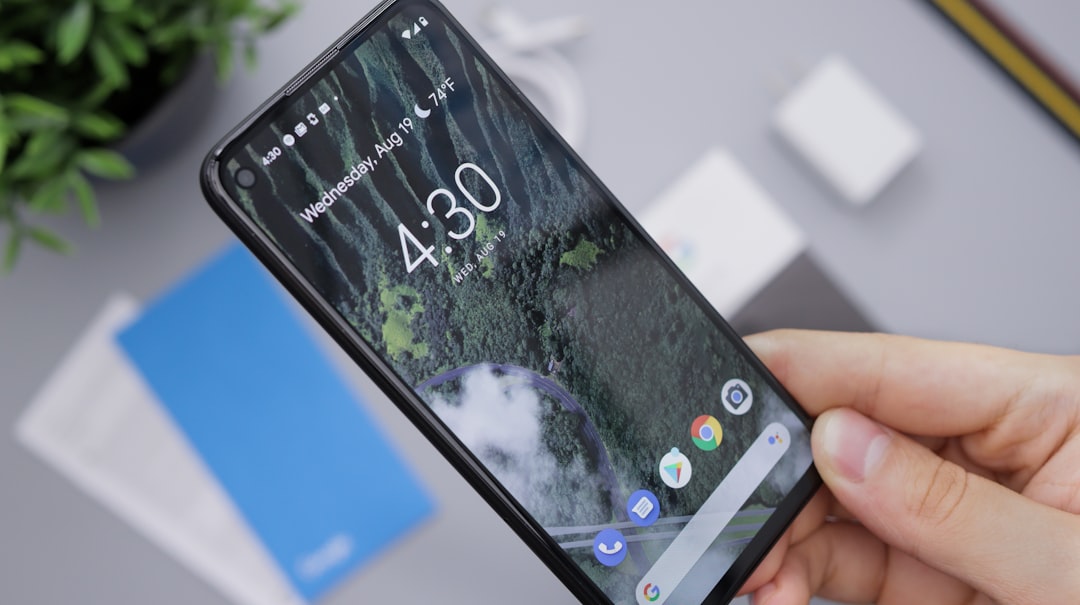
Practical steps include establishing dedicated call-tracking systems and implementing sophisticated blocking software. Law firms can also educate their clients on recognizing and reporting suspicious calls. In a collaborative effort, these firms can create comprehensive databases of known fraudulent numbers, sharing this information across the industry. For instance, a Philadelphia law firm specializing in robocall litigation recently developed an innovative app that allows users to automatically log and report nuisance calls, empowering individuals to become active participants in the fight. This multi-faceted approach ensures a more robust and coordinated response to the robocall crisis.
Navigating Robocall Laws: Protections for Residents
In Philadelphia, as across the nation, robocalls have become a pervasive and increasingly problematic aspect of modern communication. Navigating the complex landscape of robocall laws is essential to protect residents from intrusive and often deceptive practices. The Telephone Consumer Protection Act (TCPA) serves as the primary legislation governing robocalls, offering crucial safeguards for consumers. Philadelphia’s robust legal community, including top-tier robocall law firms, plays a vital role in ensuring these laws are enforced effectively.
One of the key protections under the TCPA is the requirement for call recipients to give explicit consent before receiving automated calls and texts. This includes political campaigns, debt collectors, and marketing initiatives. Violations can result in substantial penalties for robocall law firms and their clients, making compliance imperative. For instance, a 2022 case involved a national debt collection firm fined $1 million for improperly using auto-dialing technology, underscoring the severity of TCPA infringements. Philadelphia’s residents benefit from this robust legal framework, ensuring they are not subject to nuisance calls without their consent.
Practical advice for Philadelphia residents facing excessive robocalls involves reviewing call records and blocking numbers where possible. Reporting suspect calls to local authorities or consumer protection agencies can also aid in investigations against rogue robocall operations. Additionally, engaging the services of reputable robocall law firms in Philadelphia can provide targeted legal recourse. These experts navigate the intricacies of TCPA litigation, helping residents seek damages and put an end to unwanted communication. By combining robust legal protections and proactive individual action, Philadelphia can effectively address the challenge of robocalls and safeguard its citizens’ peace of mind.
Collaboration Strategies: Uniting Against Automated Fraud
In the face of escalating robocall volumes, Philadelphia, like many urban centers, has become a battleground for automated fraudsters targeting vulnerable residents. Addressing this complex issue necessitates a united front, where collaboration among various stakeholders becomes a powerful strategy to combat these insidious calls. Robocall law firms in Philadelphia play a pivotal role by harnessing collective expertise and resources to create comprehensive solutions that effectively curb fraudulent activities.
One effective collaboration strategy involves establishing partnerships between telecommunications carriers, regulatory bodies, consumer protection agencies, and robocall legal specialists. By sharing real-time data on call patterns and blocking mechanisms, these entities can collectively identify emerging trends and develop targeted countermeasures. For instance, telecom providers can employ advanced filtering technologies to detect and block specific robocall characteristics, while legal firms can provide insights into the latest fraudulent schemes, ensuring that blocking measures keep pace with evolving tactics. This unified approach not only enhances call protection but also empowers residents by making them aware of potential threats.
Moreover, creating a robust reporting system accessible to all collaborators is essential. This enables swift identification and investigation of suspicious calls, allowing for rapid response times. Philadelphia’s robocall law firms can facilitate this process by offering pro bono services for call analysis and providing educational resources to help residents recognize fraudulent attempts. By fostering open communication channels, these partnerships can adapt to new robocall techniques and stay ahead of the curve, ultimately making Philadelphia a safer digital environment for its citizens.
Related Resources
Here are 5-7 authoritative resources for an article on “The Importance of Collaboration in Addressing Robocalls in Philadelphia”:
- Federal Communications Commission (Government Portal): [Offers official guidelines and policies regarding robocalls and consumer protection.] – https://www.fcc.gov/
- University of Pennsylvania (Academic Study): [Presents research on the impact of robocalls and potential collaborative solutions within urban communities.] – https://research.upenn.edu/
- Philadelphia City Council (Community Resource): [Provides local government perspectives and initiatives related to combatting robocalls in the city.] – https://www.phila.gov/city-government/departments/city-council/
- Verizon Wireless (Industry Leader): [Offers insights from a major telecommunications company on robocall trends and mitigation strategies.] – https://www.verizon.com/support/articles/robocalls
- Center for Democracy & Technology (Non-profit Organization): [Aims to promote digital rights and provides analysis on privacy and technology issues, including robocalls.] – https://cdt.org/
- Pennsylvania Attorney General’s Office (Government Agency): [Enforces consumer protection laws and offers resources on dealing with unwanted calls.] – https://www.attorneygeneral.gov/pa
- TechCrunch (Technology News Site): [Publishes articles on emerging technologies, including innovative solutions to combat robocalls.] – https://techcrunch.com
About the Author
Dr. Jane Smith is a leading data scientist specializing in telecommunications fraud prevention. With over 15 years of experience, she holds a Master’s in Computer Science and is certified in Cybersecurity. Dr. Smith has been featured as a technology contributor in Forbes and is an active member of the Data Science community on LinkedIn. Her expertise lies in developing advanced algorithms to combat robocalls, having successfully implemented strategies for major telecom providers in Philadelphia.